Florida septic check · all 67 counties
Which Florida septic rule applies to your property?
Florida now has four different septic rules, and which one applies depends on exactly where the property sits. The Indian River Lagoon rule has a July 1, 2030 deadline. Springs protection areas require nitrogen-reducing systems, some for existing homes too. A statewide rule covers new systems on lots of one acre or less. Type any Florida address and we check the state maps, the parcel record and the county grant programs for you.
Check any Florida address
Free. Enter your details and the property address to see your results.
The rules in plain English
Four rules, depending on where you are
The checker above looks up your parcel on the state maps and tells you which of these applies.
Indian River Lagoon, by July 1, 2030
Homes on 10 acres or less and all commercial property with septic inside the Indian River Lagoon plan areas (Brevard, Indian River, St. Lucie, Martin, Volusia and nearby) must connect to sewer where it is available, or upgrade to a nitrogen-reducing system that removes at least 65% of nitrogen.
Springs protection areas
Around Florida’s springs (Wekiwa, Silver, Rainbow, Weeki Wachee, Wakulla and more), state plans require nitrogen-reducing systems. In some areas this applies to existing systems too, depending on lot size.
Statewide rule for new systems
Across the rest of the basin management areas, a new septic system on a lot of one acre or less must be a nitrogen-reducing system where sewer is not available. Existing systems are not affected.
County grants
Brevard, Indian River, Alachua, Orange, Seminole, Pasco, Volusia, Citrus, Hernando, Leon, Marion and Wakulla run grant or rebate programs. Amounts and funding change, so apply before any work starts.
Help with the cost
County grant programs
The statewide FDEP Septic Upgrade Incentive Program is out of money, but many counties still run their own programs.
| County | Amount | Program |
|---|---|---|
| Brevard | No less than $6,000 baseline, up to $20,000 (up to $24,000 for sewer) | Save Our Indian River Lagoon septic grant |
| Indian River | Up to $15,000 | Sewer connection assistance |
| Alachua | Up to $10,000 biofilter, $16,000 ATU | Septic upgrade rebate |
| Orange | Up to $10,000 | Wekiwa springs priority area |
| Seminole | Up to $10,000 | Springs priority area, no sewer access |
| Pasco | Up to $10,000 | Weeki Wachee basin, FDEP funded |
| Volusia | Up to $10,000+ | Volusia Blue, DeLeon and Gemini Springs |
| Citrus, Hernando, Leon, Marion, Wakulla | Up to $10,000 | FDEP funded springs incentives |
Amounts as last published by each county. Funding is limited and rules change; confirm with the county before you start work.
Already have an ATU?
An aerobic system is a nitrogen-reducing option
Many upgrades under the new rules are aerobic treatment units. Once installed, they need ongoing maintenance, which is where our $10 a month self-inspection program helps.
After the upgrade
Keep the new system healthy
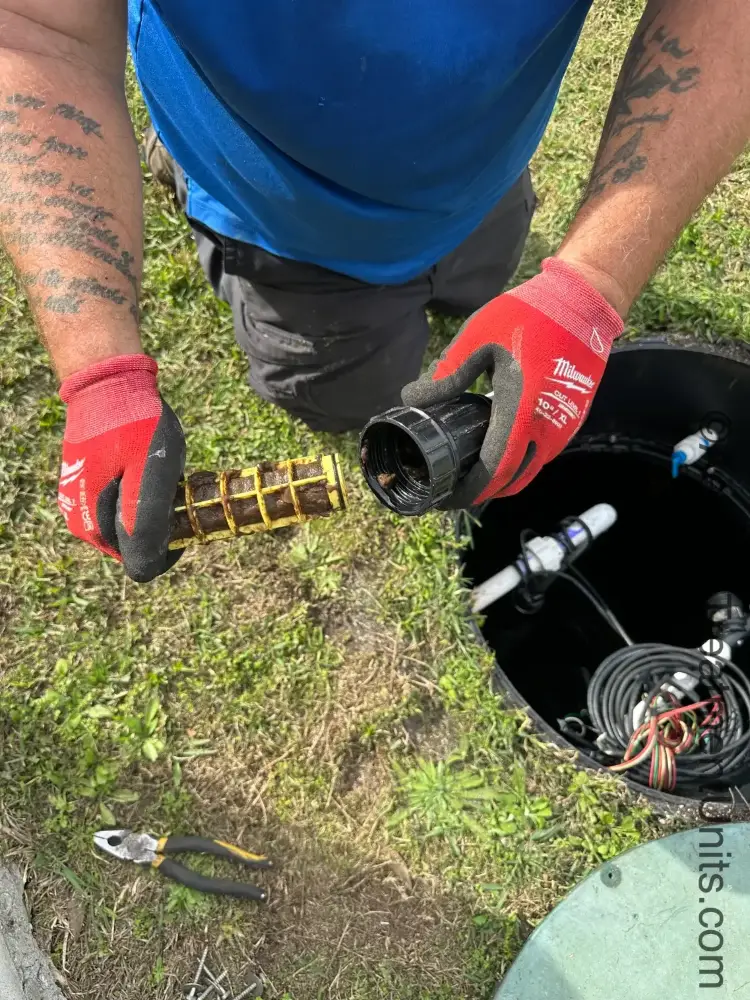
A nitrogen-reducing system only works if it is maintained. These are the problems we see when it is not.
Questions?
Talk to the ATU team
Ask about the self-inspection program, the new Florida septic rules, or what your system needs to stay compliant.
- $10 a month self-inspection program
- Reports sent to you, your county and your contractor
- Manuals for every major ATU brand
- iPhone and Android app
Send us a message
Questions about the program, your system or the septic rules. We reply by email.
Prefer to talk? Call 386-984-5128.